Comparison: Makita DDF484 vs DHP484

There are days when you just need an 18V drill driver that won’t quit on you halfway through the job. Pros know the drill: two machines can look like twins, yet they’re not built for the exact same mission. That’s exactly what’s going on with the Makita DDF484Z and the DHP484 compact, punchy, and tough as nails. One focuses purely on precision and durability, the other adds hammer action to take on harder materials.
MAKITA DDF484Z

Makita

Makita DDF484

4.21

124$

OUR #1 PICK

VS

MAKITA DHP484Z

Makita

Makita DHP484

4.40

149$

OUR #1 PICK

Technical specifications

Tool type : Drill-driver (no hammer mode)

Voltage : 18 V

Motor : Brushless

Max no-load speed : 0 - 500 / 0 - 2000 rpm

Max torque (hard) : 54 Nm

Max torque (soft) : 30 Nm

Advertised max torque : 65 Nm

Clutch settings : 21 positions

Max drilling diameter in wood : 38 mm (76 mm with Forstner bit)

Max drilling diameter in steel : 13 mm

Max drilling diameter in concrete : -

Impacts per minute : -

Dimensions (L × W × H) : 172 × 79 × 261 mm

Weight with battery : 1.5 - 1.8 kg

Sound level (Lpa) : 76 dB(A)

Vibration level in metal : ≤ 2.5 m/s²

XPT dust/water protection : Yes

LED light : Yes

Advantages / Disadvantages

Strengths

  • Compact build (172 mm), ideal in tight spaces
  • Efficient brushless motor, suited for heavy-duty use
  • Aluminum gear housing with metal gearing
  • Low noise level (76 dB(A))
  • Moderate weight: approx. 1.5–1.8 kg depending on battery
  • Precise clutch adjustment (21 settings)
  • Excellent wood capacity, especially with Forstner bits (up to 76 mm)
  • Dual LED lighting for dark or confined areas
  • XPT protection against dust and water

Weaknesses

  • No hammer mode, limiting drilling in harder materials
  • No electronic brake specified
  • Slight variation in size and weight depending on the battery
  • Same torque as the hammer model, without added benefit
  • Cannot drill concrete, unlike the DHP484

Who is Makita DDF484 suitable for?

The Makita DDF484Z is a compact 18V brushless drill-driver designed for consistent work where precision matters just as much as durability. No hammer mode here: the focus is on solid gearing, steady rotation speeds, and a stable grip to keep you working comfortably without fatigue.

Technical specifications

Tool type : Hammer drill-driver

Voltage : 18 V

Motor : Brushless

Max no-load speed : 0 - 500 / 0 - 2000 rpm

Max torque (hard) : 54 Nm

Max torque (soft) : 30 Nm

Advertised max torque : 65 Nm

Clutch settings : 21 positions

Max drilling diameter in wood : 38 mm (all bits)

Max drilling diameter in steel : 13 mm

Max drilling diameter in concrete : 13 mm

Impacts per minute : 7,500 / 30,000 IPM

Dimensions (L × W × H) : 182 × 79 × 261 mm

Weight with battery : 1.6 - 1.9 kg

Sound level (Lpa) : 88 dB(A)

Vibration level in metal : ≤ 2.5 m/s²

XPT dust/water protection : Yes

LED light : Yes

Advantages / Disadvantages

Strengths

  • Integrated hammer mode for concrete and masonry
  • High impact rate: up to 30,000 IPM
  • Long-lasting brushless motor with no maintenance
  • Electronic brake for quicker stopping
  • Refined ergonomics with soft-grip handle
  • Consistent drilling capabilities: wood, steel, concrete (13 mm in concrete)
  • Metal chassis and transmission, built for daily use
  • Dual LED lighting for low-visibility work areas
  • Electronic overload protection
  • Same rotation speed as the DDF484Z (up to 2000 rpm)

Weaknesses

  • Slightly longer (182 mm) and a bit heavier
  • Higher noise level (88 dB(A), up to 99 dB(A) max sound)
  • Increased vibration in hammer mode
  • Wood capacity slightly less versatile than the DDF484Z with specific bits
  • Hammer action leads to more fatigue during extended sessions

Who is Makita DHP484 suitable for?

The Makita DHP484 builds on the same mechanical foundation as the DDF484Z but adds hammer action. That single difference changes everything if you frequently switch between wood, metal, and denser materials. Same general footprint, same brushless motor, but expanded versatility making it a go-to option for installers and field technicians.

Comparison table: Makita DDF484 vs DHP484

CriteriaDDF484DHP484Verdict
Tool typeDrill-driver (no hammer mode)Hammer drill-driverDHP484More versatile thanks to hammer mode
Voltage18 V18 VTie
MotorBrushlessBrushlessTie
Max no-load speed0 - 500 / 0 - 2000 rpm0 - 500 / 0 - 2000 rpmTie
Max torque (hard)54 Nm54 NmTie
Max torque (soft)30 Nm30 NmTie
Advertised max torque65 Nm65 NmTie
Clutch settings21 positions21 positionsTie
Max drilling diameter in wood38 mm (76 mm with Forstner bit)38 mm (all bits)DDF484Wider capacity with Forstner
Max drilling diameter in steel13 mm13 mmTie
Max drilling diameter in concrete-13 mmDHP484Only one capable of drilling concrete
Impacts per minute-7,500 / 30,000 IPMDHP484Hammer mode
Dimensions (L × W × H)172 × 79 × 261 mm182 × 79 × 261 mmDDF48410 mm shorter
Weight with battery1.5 - 1.8 kg1.6 - 1.9 kgDDF484About 100 g lighter
Sound level (Lpa)76 dB(A)88 dB(A)DDF484Significantly quieter
Vibration level in metal≤ 2.5 m/s²≤ 2.5 m/s²Tie
XPT dust/water protectionYesYesTie
LED lightYesYesTie

Recommended accessories

For Makita DDF484

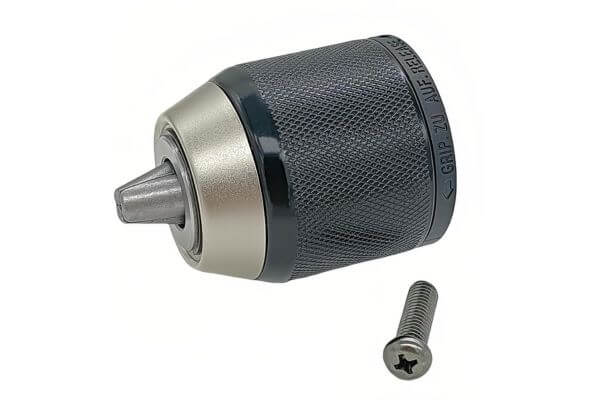
Keyless chuck 2–13 mm

2–13 mm keyless chuck

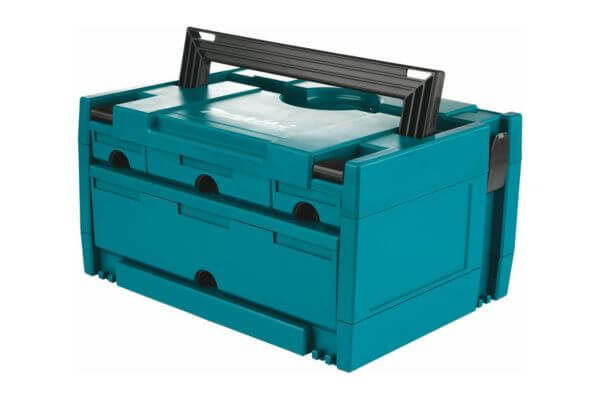
Makita carrying case for tools and accessories

Carrying case

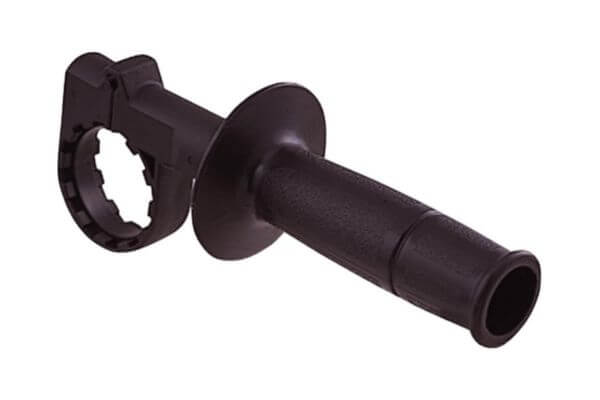
Makita side handle

Makita side handle

For Makita DHP484

Keyless chuck 2–13 mm

2–13 mm keyless chuck

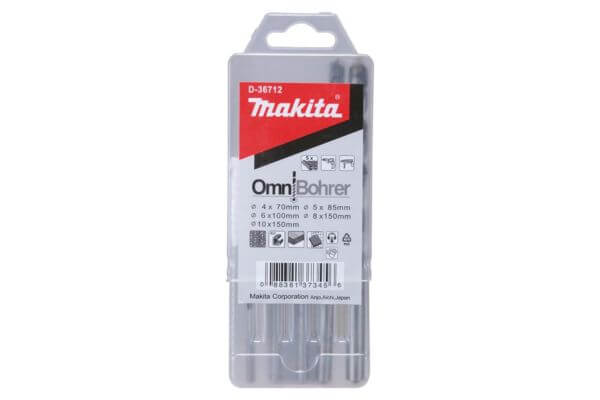
Makita multi-purpose drill bit set

Makita multi-purpose drill bit set

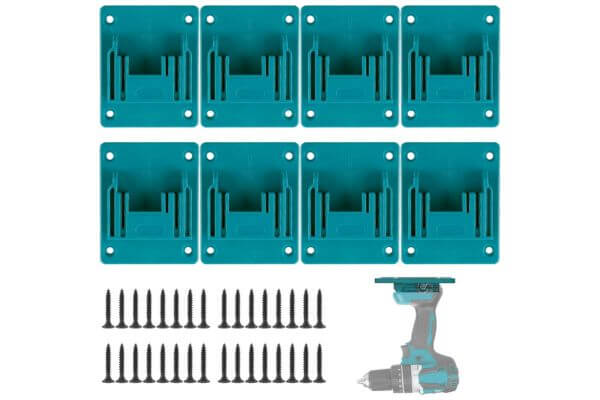
Wall mount for Makita 18V tools

Wall mount for Makita 18V tools

Real-life test: Makita DDF484 vs DHP484

Mounting heavy shelves, drilling into laminated pine, repetitive screw-driving in metal studs, and a few anchors in aerated concrete. A 3-hour session with no extended breaks.

Experience with the Makita DDF484?

Christophe starts by securing a set of brackets onto a pine cabinet. The DDF484Z immediately feels pleasant: compact, quiet, and without harsh vibration. He likes the strong but easily controlled speed increase, especially to avoid damaging screw heads. In metal studs, it keeps enough torque to get through cleanly without forcing. However, the moment he hits a slightly denser spot in the wall, he feels the limit: it progresses, but slowly, and he avoids pushing too hard so the tool doesn’t struggle. Overall, he finds his pace easily with it.

Experience with the Makita DHP484?

For wall anchors, Christophe switches to the DHP484. Now the behavior shifts. The hammer function is noticeable: fast, strong blows, and the bit goes in without much resistance. He notes that the drill is a bit longer and noisier, but in this situation that doesn’t matter much. On wood and metal, it offers the same smooth control as the DDF484Z, although fatigue sets in sooner due to extra weight and vibration in hammer mode. During the same work session, he realizes he naturally reaches for it for “hard” tasks, then switches back to the DDF for precision screw-driving.

User reviews

Makita DDF484

4.21/5

Power / Performance

85%

Comfort / Ergonomics

88%

Versatility

78%

Weight / Handling

86%
"I use the DDF484Z almost every day for cabinet installations. It’s compact, which makes a huge difference in tight areas. The only thing I sometimes miss is hammer mode, but for my work it’s more than enough."
Achat vérifié
Julien M.
"I do a lot of small DIY work at home, and this drill is genuinely pleasant to handle. It’s quiet and stays accurate even with slightly larger bits. I also really appreciate the LEDs, especially in the garage where the lighting is mediocre."
Achat vérifié
Sophie L.
"Solid, consistent, and not too heavy. I use it in industrial maintenance and it keeps up well. Too bad there’s no electronic brake, but it’s still a reliable machine."
Achat vérifié
Marc T.

Makita DHP484

4.40/5

Power / Performance

92%

Comfort / Ergonomics

82%

Versatility

95%

Weight / Handling

83%
"I needed a versatile drill for job sites. The hammer function is truly efficient and it doesn’t flinch in concrete. Yes, it’s louder, but that was expected."
Achat vérifié
Romain G.
"For home renovations, it helped a lot. The grip is comfortable, and the electronic brake prevents overshooting when driving screws. I just find it a bit heavy after a long session."
Achat vérifié
Élodie P.
"Good machine, no question about the power, but the noise level took me by surprise. When drilling masonry, it really hits hard. Fine for occasional use, but I’m unsure for full-day work."
Achat vérifié
Hakim D.

Questions? We have the answers!

What’s the difference between the Makita DDF484Z and the DHP484?
The DHP484 includes hammer action, allowing it to drill into concrete and masonry. The DDF484Z focuses on standard drilling and driving tasks, with lower noise output and a slightly more compact design.
It can drill concrete up to 13 mm thanks to its hammer mode. For denser structural walls, it’s safer to confirm the exact material or use a dedicated rotary hammer.
Yes, as long as hammer drilling isn’t required. It delivers solid speed, a brushless motor, and a metal transmission suitable for repetitive work on site.
The DDF484Z is lighter, ranging from about 1.5 to 1.8 kg depending on the battery. The DHP484 ranges from about 1.6 to 1.9 kg.
Yes, both models operate with Makita 18V LXT batteries.

Other similar comparisons

Discover our in-depth reviews of other models to help you refine your choice:

Makita DHP484 vs DHP487

DHP484 vs DHP487: technical comparison for a clear decision.

Makita DHP482 vs DHP484

Practical review: drilling performance and workload efficiency.

Makita DHP484 vs DHP486

Two models, two profiles: selection based on job demands.

Makita DDF484 vs DDF485

Torque vs compactness: measurable factors for purchase choice.

Makita DHP481 vs DHP484

DHP481 and DHP484 compared: Which one is worth the upgrade?

Don't miss out on this offer!

The Makita DHP484 for only

$149

Transparency: This article contains affiliate links. If you purchase a product through these links, we receive a commission at no extra cost to you. This helps us maintain this site and produce quality content. We only recommend products that we believe are reliable and relevant.