Comparison:Makita DHP453 vs DHP482

The 18V cordless drill market is packed with models that look similar at first glance, yet deliver very different levels of performance depending on what they’re built for. The Makita DHP453 and the Makita DHP482Z illustrate this perfectly: two well-regarded tools, often compared side by side, but designed with distinct purposes in mind. Regular DIY projects at home, occasional on-site work, heavy-duty drilling in wood or metal each machine brings its own strengths to the table.

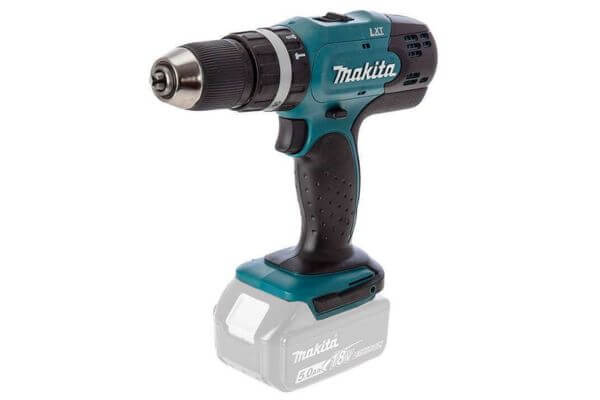
Makita DHP453

Makita DHP453

Technical specifications

Voltage : 18 V

No-load speed : 0 - 400 / 1300 rpm

Max torque : 48 Nm

Hard/soft torque : 42 / 27 Nm

Clutch settings : 16 positions

Impact rate (IPM) : 6000 / 19500

Max drilling diameter in concrete : 13 mm

Max drilling diameter in steel : 13 mm

Max drilling diameter in wood (spade bit) : 38 mm

Max hole saw diameter : 51 mm

Weight with battery : 1.7 - 2.0 kg

Tool length : 239 mm

XPT technology (dust/water protection) : No

LED light : No

Electronic brake : Yes

Noise level : 94 dB(A)

Metal-drilling vibration : ≤ 2.5 m/s²

Advantages / Disadvantages

Strengths

  • Durable metal construction suitable for repeated handling.
  • Rubberized grip providing good control, even during extended use.
  • Keyless chuck that makes bit changes quick and easy.
  • Adequate performance for wood, metal, and occasional concrete drilling.
  • Moderate vibration levels in metal drilling, comfortable for small batches.

Weaknesses

  • Lower speed than more recent 18V models.
  • Limited hammer function, less effective on hard concrete.
  • No LED light, inconvenient in low-visibility areas.
  • Longer and heavier than comparable models.

Indicative price

69$

Who is Makita DHP453 suitable for?

The Makita DHP453 is an 18V drill driver designed for general-purpose tasks, offering straightforward operation and solid construction. It suits regular home users and light professional applications, without being intended for intensive workloads.

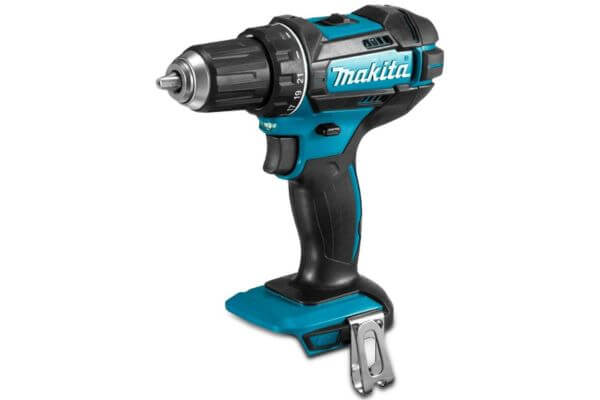
Makita DHP482

Drill Makita DHP482

Technical specifications

Voltage : 18 V

No-load speed : 0 - 600 / 1900 rpm

Max torque : 64 Nm

Hard/soft torque : 62 / 36 Nm

Clutch settings : 21 positions

Impact rate (IPM) : 9000 / 28500

Max drilling diameter in concrete : 13 mm

Max drilling diameter in steel : 13 mm

Max drilling diameter in wood (spade bit) : 38 mm

Max hole saw diameter : 51 mm

Weight with battery : 1.5 - 1.8 kg

Tool length : 198 mm

XPT technology (dust/water protection) : Yes

LED light : Yes

Electronic brake : Yes

Noise level : 93 dB(A)

Metal-drilling vibration : ≤ 2.5 m/s²

Advantages / Disadvantages

Strengths

  • High torque (64 Nm), providing substantial power reserve for long screws and heavy-duty bits.
  • Higher speed, improving efficiency on repetitive tasks (+46% in high gear).
  • Compact, lightweight design for better handling overhead or in tight spaces.
  • XPT technology reduces water and dust ingress, useful outdoors or on job sites.
  • Integrated LED light for better visibility in dim areas.
  • More clutch settings (21 positions) for fine adjustment.

Weaknesses

  • More vibration than the DHP453 when hammer drilling in concrete.
  • Sensitive electronic protection: cuts power sooner when the battery is weak or aging.
  • Slightly louder in hammer mode despite similar spec-sheet noise levels.

Indicative price

79$

Who is Makita DHP482 suitable for?

The Makita DHP482Z is a compact, energetic 18V drill driver designed for more demanding use. It targets users who move quickly from one task to another—professionals as well as demanding DIYers who want a fast, responsive tool with better jobsite protection.

Comparison table: Makita DHP453 vs DHP482

CriteriaDHP453DHP482Verdict
Voltage18 V18 VTie
No-load speed0 - 400 / 1300 rpm0 - 600 / 1900 rpmDHP482Faster (+46% in high speed)
Max torque48 Nm64 NmDHP482More powerful (+33%)
Hard/soft torque42 / 27 Nm62 / 36 NmDHP482Delivers higher torque at both levels
Clutch settings16 positions21 positionsDHP482Allows finer adjustment
Impact rate (IPM)6000 / 195009000 / 28500DHP482Offers stronger impact performance
Max drilling diameter in concrete13 mm13 mmTie
Max drilling diameter in steel13 mm13 mmTie
Max drilling diameter in wood (spade bit)38 mm38 mmTie
Max hole saw diameter51 mm51 mmTie
Weight with battery1.7 - 2.0 kg1.5 - 1.8 kgDHP482Lighter (about –10%)
Tool length239 mm198 mmDHP482More compact (–41 mm)
XPT technology (dust/water protection)NoYesDHP482Clear advantage to the DHP482Z for jobsite use
LED lightNoYesDHP482Better for dark areas
Electronic brakeYesYesTie
Noise level94 dB(A)93 dB(A)Tie
Metal-drilling vibration≤ 2.5 m/s²≤ 2.5 m/s²Tie

Recommended accessories

For Makita DHP453

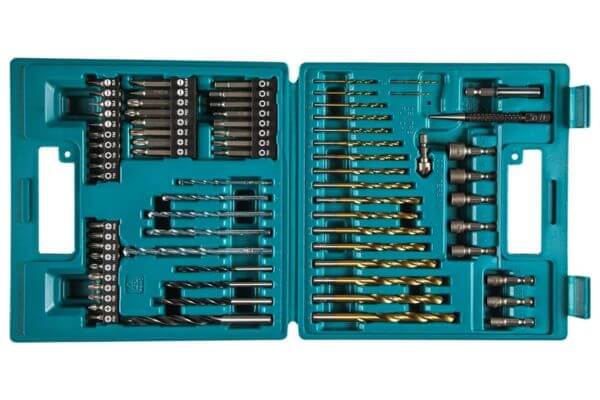
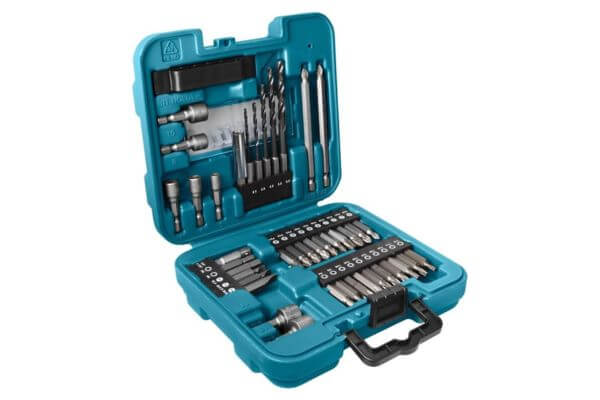
Makita B-49373 Ensemble de 75 Forets Et Embouts

Makita B-49373 Ensemble de 75 Forets Et Embouts

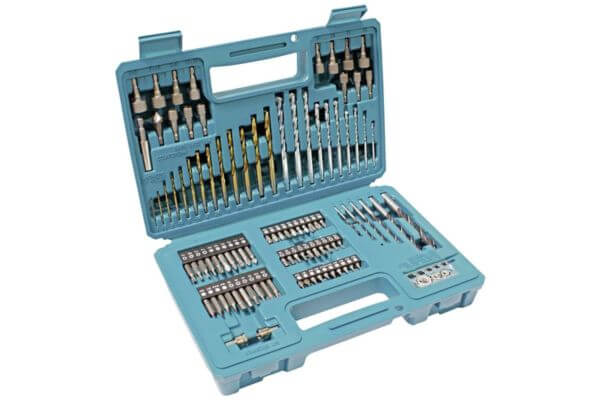
Jeu de forets Makita 102 pièces

Jeu de forets Makita 102 pièces

Jeu de tournevis Makita D‑58877

Jeu de tournevis Makita D‑58877

For Makita DHP482

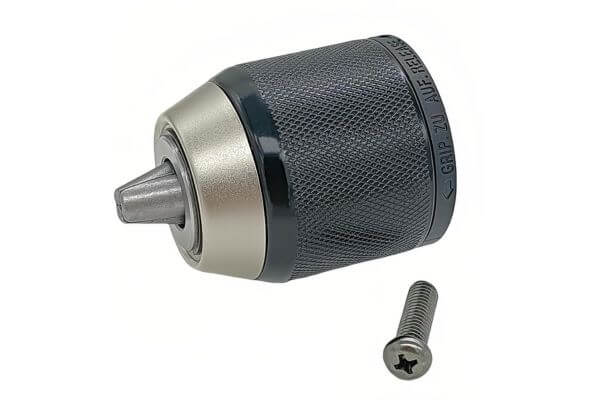
Keyless chuck 2–13 mm

2–13 mm keyless chuck

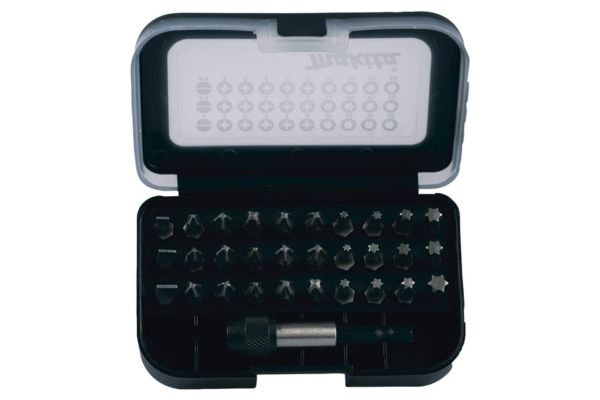
Makita bit assortment

Makita bit assortment

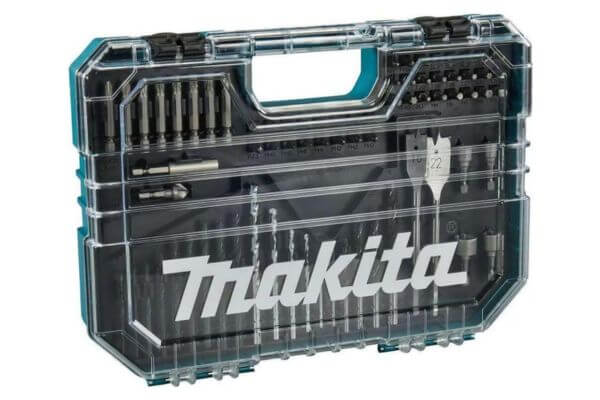
Box set of 75 drilling and screwdriving accessories

Box set of 75 drilling and screwdriving accessories

Real-life test: Makita DHP453 vs DHP482

Installing an interior wood frame, drilling metal brackets, a few anchor holes in an old concrete wall. Work session: 3 hours straight, alternating fast screwdriving and more demanding drilling.

Experience with the Makita DHP453?

Julien starts by assembling the frame. The DHP453 feels solid in hand, nothing shifts, and the chuck grips bits securely. On 5 × 70 mm screws it pushes through without complaint, but he can tell it doesn’t have much reserve when the wood gets denser. Drilling the metal brackets stays clean; however, as soon as he moves to the concrete wall, the hammer action quickly shows its limits. No troublesome jolts, just a slower pace that requires some patience. After about an hour and a half, fatigue sets in mostly because of the tool’s weight and length.

Experience with the Makita DHP482?

He then switches to the DHP482Z, and the difference is immediate: the tool reacts faster, almost “on cue.” In wood, screws drive more decisively with less wrist effort. Drilling the brackets feels smoother, as if the bit glides better simply because the high-speed setting is stronger. In concrete, the hammer action is clearly livelier; the hole forms more quickly, even if some vibration reminds him he’s working into a hard material. The compact form helps as well: Julien can work between studs more easily without twisting the tool around. After three hours of work, he says his arms just feel “less drained.”

User reviews

Makita DHP453

3.56/5

Power / Torque

65%

Compactness / Handling

72%

Versatility (wood, metal, concrete)

70%

Performance-to-price ratio

78%
Marc L.
I use it for renovation work around my house. The grip is stable, and the chuck holds well, even with longer bits. It’s a little short on speed sometimes, but for my pace it’s more than enough.
Sonia R.
The tool is simple, no frills, which is exactly what I want. It feels a bit heavy when I’m working overhead, but the precision is still good. Perfect for wood and a few wall fixings.
Thomas V.
I mainly use it as a second drill on the job. It’s reliable and has never failed me, but whenever I need to drill into hard concrete, I can feel it reaching its limit. For everyday tasks, it does the job very well.

Makita DHP482

4.31/5

Power / Torque

88%

Compactness / Handling

85%

Versatility (wood, metal, concrete)

90%

Performance-to-price ratio

82%
Julie M.
The difference in torque compared with my old model is obvious right away. It responds quickly, doesn’t overheat much, and the LED is a real bonus in formwork. Honestly, very pleasant to use every day.
Arnaud P.
The tool is compact and efficient for long driving sessions. The clutch settings are precise, which saves me a lot of finishing errors. No complaints, it’s a solid professional tool.
Claire D.
I wanted something punchier, and that’s exactly what this is. It’s light, the hammer action hits well, and the battery life is decent. I just wish the noise level were a bit lower.

Questions? We have the answers!

Is the Makita DHP453 enough for regular home projects?
Yes. It handles common tasks easily: wood, metal, and anchors in softer concrete. For hard concrete or repeated drilling, a faster model like the DHP482Z will be more efficient.
The DHP482Z delivers higher torque, faster speed, and a more compact form factor. It’s therefore better suited for intensive or professional use.
Yes. The entire 18V LXT lineup is compatible with both the DHP453 and the DHP482Z.
For broad versatility and a steady workflow, the DHP482Z has the advantage thanks to its power and more modern ergonomics.
Yes. The DHP482Z produces less vibration in concrete hammer mode (6.0 m/s² vs. 10.1 m/s²), improving comfort and precision during longer sessions.

Other similar comparisons

Discover our in-depth reviews of other models to help you refine your choice:

Makita DHP458 vs DHP482

DHP458 vs DHP482: key differences you should know before choosing the right drill for your projects.

Makita DHP482 vs DHP484

DHP482 or DHP484: a side-by-side comparison to help you pick the best option for your needs.