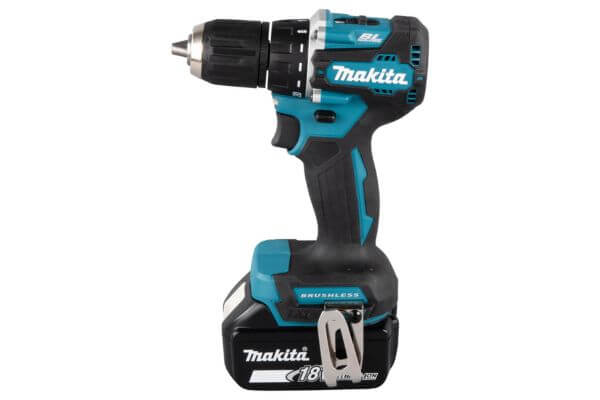
Comparison:Makita DDF485 vs DDF487

Makita’s LXT line includes several 18V drill drivers whose performance sits so close on paper that you could deliberate for ages before settling on one. The DDF485 and DDF487 are emblematic of that quandary: compact, brushless, both suited to steady DIY use and to lighter-duty professional work. And yet, their behavior diverges. The former leans toward deeper power reserves, the latter toward agility and long-haul comfort. When two tools look nearly like twins but don’t deliver the same feel once you’re actually on site, only a meticulous comparison can cut through the ambiguity and guide a deliberate choice.

Makita DDF485

MAKITA DDF485

Technical specifications

Max torque (hard/soft) : 50 / 27 Nm

No-load speed (high) : 1,900 rpm

Clutch settings : 21

Drilling diameter in wood : 38 mm

Drilling diameter in steel : 13 mm

Chuck capacity : 1.5 - 13 mm

Length : 169 mm

Weight (with battery) : 1.4 - 1.7 kg

Noise level : 74 dB(A)

Vibration, metal drilling : ≤ 2.5 m/s²

Electronic protection : Yes

LED lighting : Dual LED

Brushless motor : Yes

Advantages / Disadvantages

Strengths

  • Maximum torque of 50 Nm, useful for demanding screwdriving.
  • High speed of 1,900 rpm, suited to fast drilling.
  • Reinforced transmission with metal components.
  • 21 clutch settings for precise torque control.
  • Wood capacity up to 38 mm, above the segment average.
  • Dual LED providing good visibility in low-light areas.
  • Brushless motor reducing heating and power draw.

Weaknesses

  • Length of 169 mm, less convenient in tight spaces.
  • Slightly heavier than the DDF487.
  • High torque may require careful adjustment on delicate materials.

Indicative price

104$

Who is Makita DDF485 suitable for?

The Makita DDF485 is an 18V brushless drill driver designed for regular tasks and situations requiring solid torque. Its compact build and metal transmission make it a reliable tool for routine work in maintenance, assembly, and finishing applications.

Makita DDF487

Drill Makita DDF487

Technical specifications

Max torque (hard/soft) : 40 / 23 Nm

No-load speed (high) : 1,700 rpm

Clutch settings : 20

Drilling diameter in wood : 36 mm

Drilling diameter in steel : 13 mm

Chuck capacity : 1.5 - 13 mm

Length : 150 mm

Weight (with battery) : 1.3 - 1.6 kg

Noise level : 73 dB(A)

Vibration, metal drilling : ≤ 2.5 m/s²

Electronic protection : Yes

LED lighting : Dual LED

Brushless motor : Yes

Advantages / Disadvantages

Strengths

  • Compact size (150 mm long), practical in confined spaces.
  • Reduced weight (down to 1.3 kg depending on battery), suitable for prolonged use.
  • Max torque of 40 Nm, sufficient for most everyday screwdriving.
  • Brushless motor with efficient energy management and limited heat buildup.
  • Dual LED effective for lighting the work area.
  • Comfortable grip thanks to an ergonomic handle.
  • Slightly lower noise level (73 dB(A)).

Weaknesses

  • Lower torque than the DDF485, less suited to heavy-duty applications.
  • High speed capped at 1,700 rpm, slightly slower for sustained drilling.
  • Slightly lower wood drilling capacity (36 mm).
  • Fewer clutch settings (20 positions).

Indicative price

117$

Who is Makita DDF487 suitable for?

The Makita DDF487 is an 18V brushless drill driver designed for regular work in domestic settings or light professional use. It prioritizes compactness and comfort over raw power, making it well suited to extended tasks and tight access zones.

Comparison table: Makita DDF485 vs DDF487

CriteriaDDF485DDF487Verdict
Max torque (hard/soft)50 / 27 Nm40 / 23 NmDDF485More powerful (+25% torque in hard mode)
No-load speed (high)1,900 rpm1,700 rpmDDF485Faster (+11.7%)
Clutch settings2120TieSlightly more versatile
Drilling diameter in wood38 mm36 mmDDF485Better for larger diameters
Drilling diameter in steel13 mm13 mmTie
Chuck capacity1.5 - 13 mm1.5 - 13 mmTie
Length169 mm150 mmDDF487More compact (-19 mm)
Weight (with battery)1.4 - 1.7 kg1.3 - 1.6 kgDDF487Lighter (~100 g less)
Noise level74 dB(A)73 dB(A)DDF487Slightly quieter
Vibration, metal drilling≤ 2.5 m/s²≤ 2.5 m/s²Tie
Electronic protectionYesYesTie
LED lightingDual LEDDual LEDTie
Brushless motorYesYesTie

Recommended accessories

For Makita DDF485

MAKPAC 2 set

MAKPAC 2 set

Hole saw set for wood and metal (14 pcs)

Hole saw set for wood and metal (14 pcs)

Drill and screw bit set in case (256 pcs) - MAKITA

Drill and screw bit set in case (256 pcs) - MAKITA

For Makita DDF487

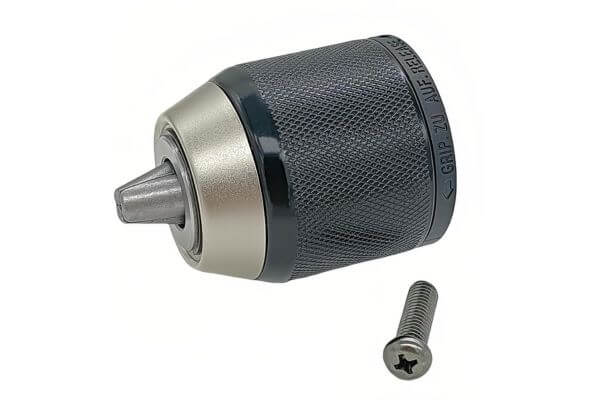
Keyless chuck 2–13 mm

2–13 mm keyless chuck

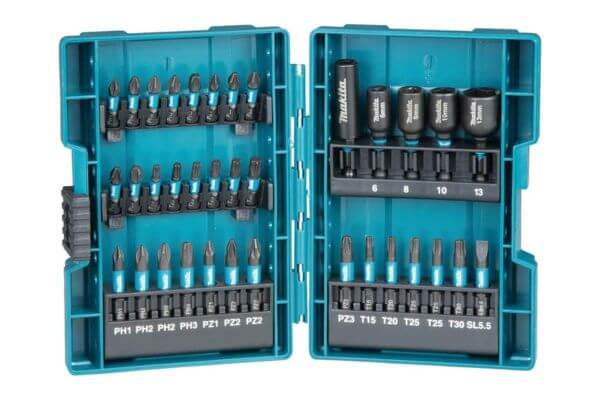
Impact Black 35-piece bit set

Impact Black Bit Set – 35 Pieces

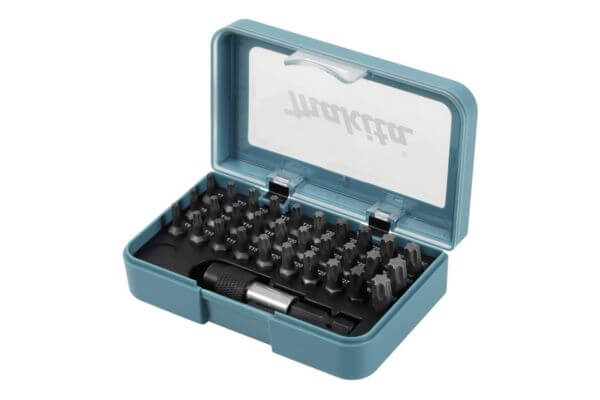
31-piece Torx bit set

Torx Bit Set – 31 Pieces

Real-life test: Makita DDF485 vs DDF487

Full installation of a set of upper kitchen cabinets over two days. Drilling in solid wood and laminate, driving long countersunk screws, overhead work and poorly lit areas. About 5 to 6 hours of daily use, alternating drilling and screwdriving.

Experience with the Makita DDF485?

Right from the first screws into the wood studs, David notes that the DDF485 “responds” instantly. The 50 Nm torque gives a constant sense of reserve, reassuring when you need to drive longer screws into dense material. The tool stays stable even at high speed, and the chuck holds bits firmly without slipping. After an hour of continuous work, the weight starts to be felt in the forearm; not problematic, but noticeable. It handles 13 mm drilling in thin steel with no slowdown. For slightly heavier tasks, it clearly has muscle.

Experience with the Makita DDF487?

The next day, David switches to the DDF487 to mount the upper cabinets. The difference in compactness is immediately obvious or rather felt in the hand. Shorter and lighter, it slips easily behind cabinets without forcing awkward positions. Routine screwdriving goes smoothly, and the tool stays pleasant over time. On a slightly stubborn screw, he does feel a lack of bite compared with the DDF485; nothing that stops the job, but enough to make him drop into low speed for better control. The LED lighting is effective in dark spots, and the overall balance makes the tool easy to handle.

User reviews

Makita DDF485

4.13/5

Torque

90%

Compactness / Ergonomics

74%

Versatility

85%

Performance / Comfort ratio

82%
Thomas R.
I use the DDF485 for maintenance work. Power is definitely there, even in dense wood. It gets a bit heavy during long sessions, but nothing excessive.
Julie M.
For my renovation jobs, it keeps up without issue. The high torque let me drive long screws without slowdown. The LED lighting is a real advantage in dark rooms.
Adrien S.
A solid drill for regular use. The high speed is effective, but I would have preferred a slightly shorter format for tight spaces. Overall, very reliable.

Makita DDF487

4.15/5

Torque

75%

Compactness / Ergonomics

90%

Versatility

80%

Performance / Comfort ratio

87%
Caroline P.
I chose the DDF487 for its compact size, and it changes everything for cabinetry and corners. Lightweight and pleasant to hold, it causes far less fatigue than my previous models.
Sébastien L.
For regular home projects, it more than does the job. You can tell it’s less powerful than other Makita units, but the comfort more than makes up for it in my use case.
Marc D.
Good ergonomics and decent battery life. However, it shows its limits on tougher screwdriving. For assembly and light installation, it’s perfect.

Questions? We have the answers!

What is the main difference between the Makita DDF485 and the DDF487?
The DDF485 delivers higher torque (50 Nm) and a greater top speed, making it better suited to demanding work. The DDF487 focuses more on compactness and comfort for extended use or tight spaces.
Yes. Its 40 Nm torque is sufficient for most common fastening and drilling tasks in maintenance or light installation. It will, however, show its limits on dense materials or large diameters.
Both use a brushless motor designed for energy efficiency. The DDF485 can draw more power during high-torque work, but performance remains similar in standard use.
The DDF487, which is 19 mm shorter, offers better handling in tight angles and overhead work.
Yes. Both models are compatible with all 18V Makita LXT batteries.

Other similar comparisons

Discover our in-depth reviews of other models to help you refine your choice:

Makita DDF484 vs DDF485

DDF484 vs DDF485 – Which Makita drill fits your needs?

Makita DDF487 vs DHP487

DDF487 or DHP484? Compare specs & choose with confidence